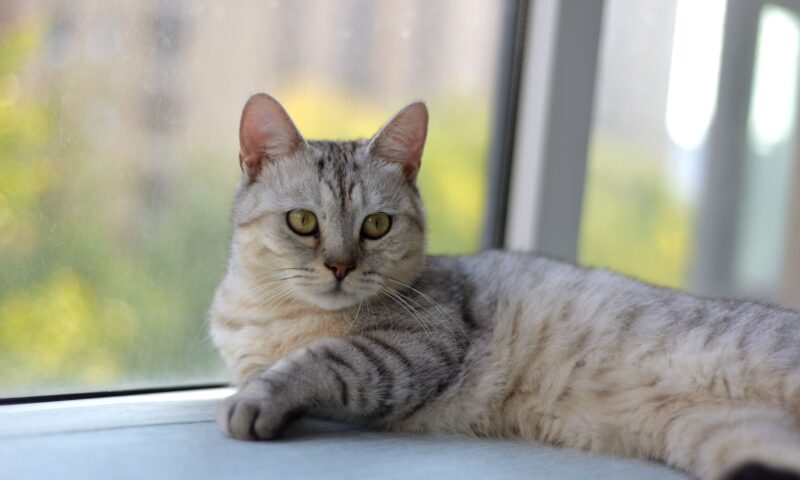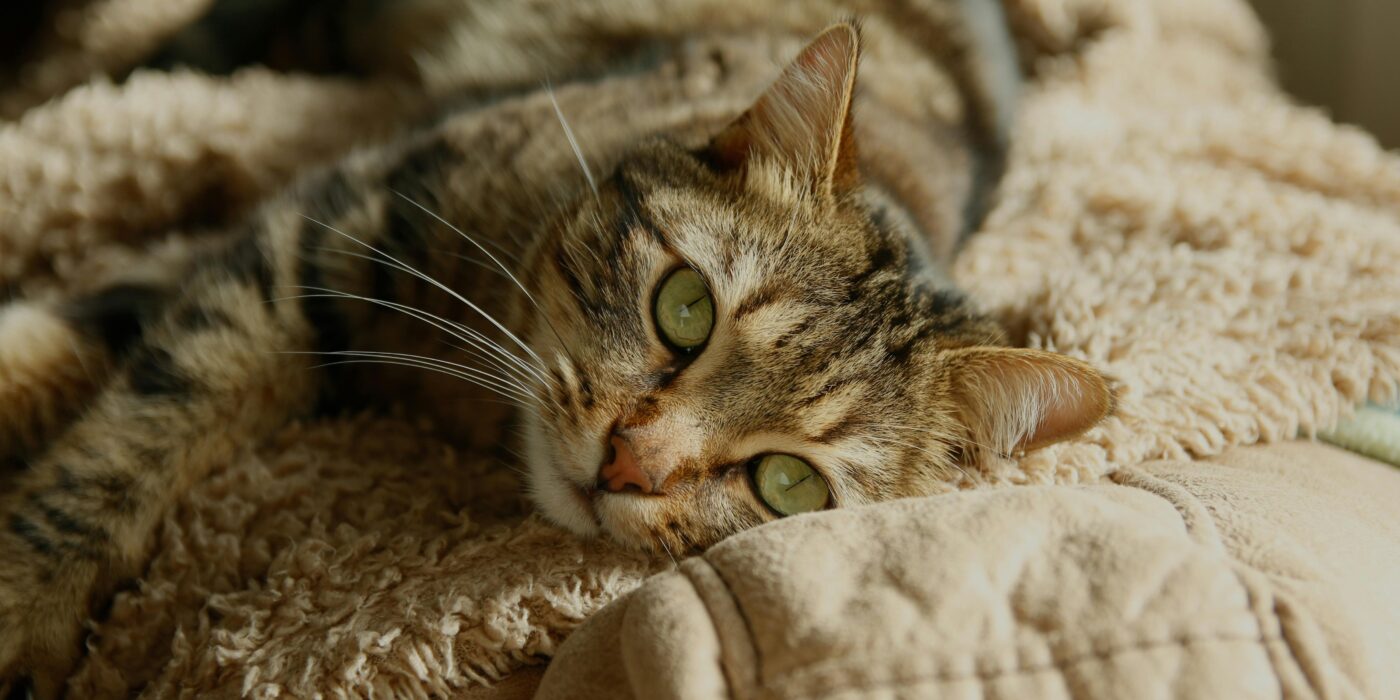
A cat hiding and not eating is one of the more unsettling things a cat owner can experience. Cats are experts at masking illness, and retreating to a hidden spot while refusing food is one of their most instinctive responses to feeling unwell. The key is knowing which causes are minor and which ones require urgent attention.
Why Cats Hide When They’re Unwell
In the wild, a sick or vulnerable cat is a target for predators. Hiding is a survival reflex — your cat isn’t sulking or playing games. When a cat is hiding and not eating or drinking, or hiding but still drinking water, the body is in some form of physical or psychological stress. Understanding the trigger tells you what to do next.
6 Causes of Cat Hiding and Not Eating
1. Stress and Environmental Change
Cats are highly sensitive to change. A new pet, new person, moved furniture, building noise, or a changed daily routine can cause a cat to retreat and stop eating. Cat hiding and not eating after a move is extremely common — the new environment smells wrong and feels unsafe. This type of hiding usually resolves within 3–7 days as the cat gradually adjusts. Offering food in the hiding spot rather than expecting them to come out helps.
2. Cat Hiding and Not Eating After a Vet Visit
This one confuses many owners because the vet visit was meant to help. After a clinic visit, your cat carries home the smell of other animals, disinfectants, and stress hormones. Other cats in the household may react to this smell, adding to the returning cat’s anxiety. Eating typically resumes within 12–24 hours. If it’s been longer than 48 hours since the vet visit and your cat still won’t eat, call the clinic — sometimes a post-procedure side effect or medication reaction is the cause.
3. Pain or Physical Illness
This is the cause that matters most. A cat hiding and not eating for more than 24 hours, especially without an obvious stressor, is often in pain or feeling physically unwell. Dental disease, urinary tract infection, kidney disease, and gastrointestinal problems all cause cats to stop eating and seek solitude. Pay attention to respiratory signs like coughing or sneezing — upper respiratory infections are a major cause of appetite loss in cats because they can’t smell their food properly.
4. Depression or Grief
Cats form genuine attachments. The loss of a companion animal, the departure of a family member, or sudden isolation can cause a cat to hide and lose interest in food. This is real psychological grief, not attention-seeking behaviour. The hiding here tends to be quieter — your cat may come out occasionally but eat very little. Consistent gentle interaction, play, and routine tend to help more than leaving them completely alone.
5. Nausea
Nausea is one of the strongest appetite suppressors. Anything from a hairball blockage to kidney disease to medication side effects can cause chronic low-grade nausea. A nauseated cat will often go to their quiet spot, sit hunched with slightly rounded shoulders, and refuse food even if they haven’t vomited. Check whether recent weight changes have been part of the pattern — gradual weight loss alongside hiding and reduced eating is a red flag for chronic illness.
6. Hormonal Changes or Pregnancy
An unspayed female cat may hide during heat cycles or early pregnancy. Appetite changes during these periods are normal but should still be monitored. If your cat is unspayed and hiding with reduced eating, a vet check is worth scheduling.
Emergency — Act immediately
- Cat hasn’t eaten or drunk anything in 24+ hours
- Hiding combined with laboured or open-mouth breathing
- Straining to urinate with no output (especially male cats — this is life-threatening)
- Unresponsive or extremely weak when you find them
- Yellow tinge to skin, gums, or eyes (jaundice)
Cat Hiding But Drinking Water
If your cat is hiding but still drinking water, this is actually a reassuring sign — dehydration isn’t yet a concern. A cat who drinks but won’t eat is likely nauseous, stressed, or dealing with something mild. The 48-hour mark is your key threshold: if hiding and appetite loss persist beyond that without an obvious trigger, book a vet visit.
It’s also worth noting: some cats hide more as they age, and sleeping more or withdrawing can be normal senior cat behaviour. But a sudden change in an otherwise social cat is different from a cat who has always preferred solitude.
What to Do
- Don’t force them out. Dragging a stressed cat from their hiding spot increases anxiety and delays recovery.
- Bring food and water to them. Place a small plate of food near (not inside) their hiding spot.
- Warm the food slightly to release smell — cats decide whether to eat largely based on scent.
- Observe from a distance. Note whether they’re breathing normally, using the litter box, and whether the hiding is getting better or worse over time.
- Check whether the litter box is being used. No urination in 24 hours is a vet-visit trigger, especially in male cats.
See a vet within 24 hours if
- No food eaten for more than 24 hours with no obvious stressor
- Hiding is paired with vomiting, sneezing, or nasal discharge
- Your cat is a senior (10+ years old)
- You know or suspect they’ve eaten something toxic
Cats are built to hide their vulnerability. The fact that you noticed the change and are paying attention already puts you ahead. If you need help working out what your cat’s other symptoms point to, watch their drinking habits closely — cats who stop drinking as well as eating deteriorate quickly.
Sources & References
- Horowitz, A. (2009). Inside of a Dog. Scribner.
- Bradshaw, J. (2013). Cat Sense. Basic Books.
- McConnell, P. (2002). The Other End of the Leash. Ballantine Books.
All factual claims on Pawsidor trace to peer-reviewed research, university studies, or books by credentialed animal scientists. Learn about our editorial standard →