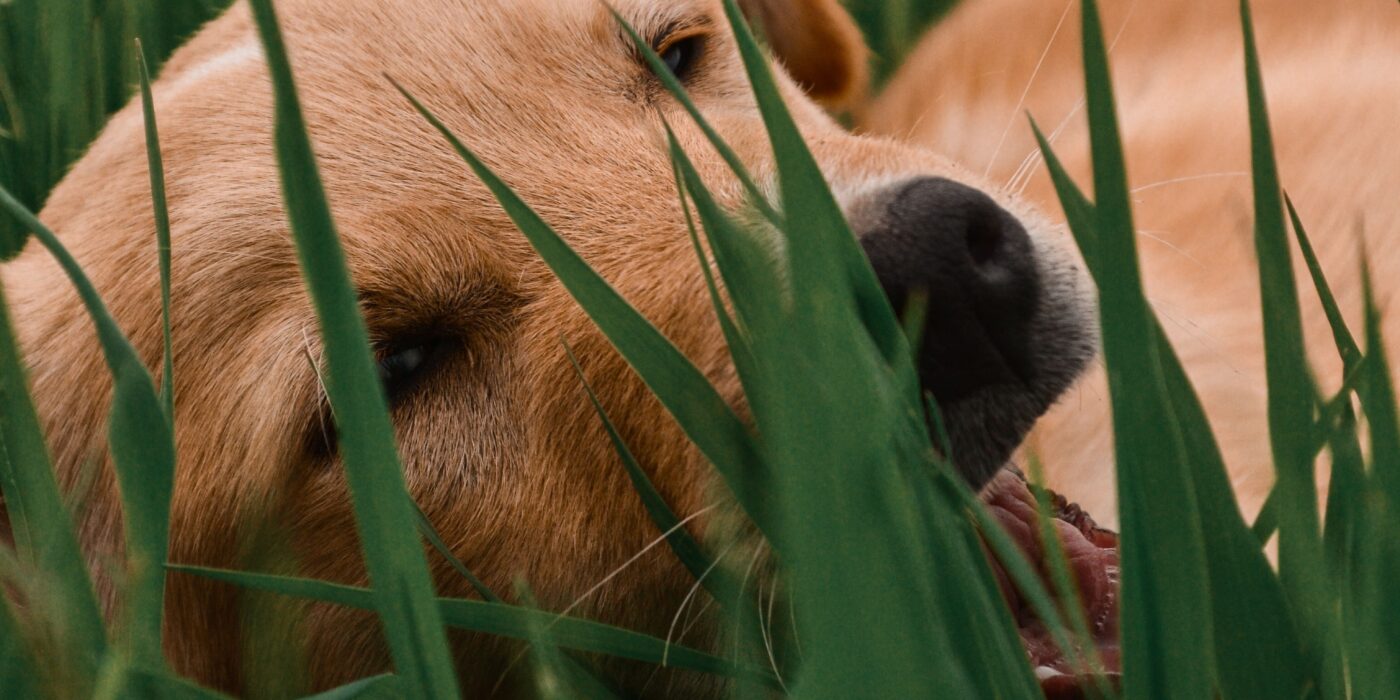
Why Does My Dog Eat Grass? 7 Surprising Reasons and When to Actually Worry
You let your dog outside and within thirty seconds they have bypassed every toy, ignored a passing squirrel, and are methodically chewing your lawn like a small, enthusiastic cow. If you have ever stood at the window wondering why does my dog eat grass, you are in extremely good company. It is one of the most Googled dog behaviour questions in the world, and the honest answer is more interesting and more reassuring than most people expect. Here is what the science actually says.
Quick Reference: Why Does My Dog Eat Grass?
| Reason | How Common | Should You Worry? | What To Do |
|---|---|---|---|
| They simply like it | Very common | No | Nothing, completely normal |
| Fibre or nutrient seeking | Common | No | Consider higher fibre diet |
| Mild nausea or upset stomach | Less common than believed | Monitor | Watch for other symptoms |
| Instinctive ancestral behaviour | Common | No | Nothing |
| Boredom or understimulation | Common in young dogs | Mild concern | Increase exercise and enrichment |
| Anxiety or stress | Less common | Monitor | Address underlying anxiety |
| Pica (compulsive eating disorder) | Rare | Yes | Vet visit |
Why Does My Dog Eat Grass: 7 Real Reasons Ranked by Evidence
1. They Simply Like It (Strongest Evidence)
This is the least dramatic explanation and almost certainly the most accurate one for most dogs. A landmark survey study by Dr. Benjamin Hart and colleagues at the UC Davis School of Veterinary Medicine, published in Applied Animal Behaviour Science, surveyed 1,571 dog owners about grass eating behaviour. The findings were striking: 79% of dogs had eaten plants at some point, the vast majority showed no signs of illness before or after, and most dogs ate grass without vomiting afterward.
In other words: most dogs eat grass simply because they want to. It is a normal, benign behaviour in the same category as sniffing everything, rolling in things that smell terrible, and staring at you while you eat. Not a distress signal. Not a medical symptom. Just a dog being a dog.
The American Kennel Club describes grass eating as one of the most common and least concerning behaviours veterinarians are asked about, noting that most dogs who eat grass appear perfectly healthy before, during, and after the behaviour.
2. Fibre or Micronutrient Seeking (Strong Evidence)
Dogs are omnivores, not obligate carnivores like cats. Alexandra Horowitz, cognitive scientist and author of Inside of a Dog, notes that dogs have evolved additional copies of the gene for starch digestion compared to wolves, reflecting thousands of years of dietary adaptation alongside humans. Plant material has always been part of the picture.
Research from the Ohio State University Translational Plant Sciences program found that grass is notably high in fibre, magnesium, and nitrogen, all of which dogs may seek out when their diet is insufficient in these areas. Studies have found that dogs eating lower fibre diets tend to eat more grass, and switching to a higher fibre diet often reduces the behaviour significantly.
If your dog eats grass consistently every day rather than occasionally, it is worth discussing with your vet whether a dietary adjustment might reduce the behaviour.
3. Mild Nausea or Upset Stomach (Popular but Overstated)
This is the explanation most dog owners reach for first and it is worth addressing directly because the evidence is weaker than the myth suggests. Yes, some dogs do eat grass when nauseated and some do vomit afterward. But Hart’s research found that less than 25% of grass eating dogs vomited afterward, and only 8% of owners reported signs of illness before the grass eating began.
The cause and effect relationship most people assume, specifically that a sick dog deliberately seeks out grass as a self-induced vomiting remedy, applies to a minority of cases. Most grass eating has nothing to do with nausea at all.
The pattern that does suggest nausea is frantic grass eating rather than calm grazing. A dog that rushes to grass, eats large quantities rapidly, and seems driven rather than relaxed is more likely acting on a stomach upset than a dog that casually nibbles while wandering around the garden. If your dog’s grass eating is accompanied by other symptoms like lethargy, appetite loss, or repeated vomiting, see our guide on home remedies for dog diarrhea and stomach upset and consider whether a vet visit is warranted.
4. Instinctive Ancestral Behaviour (Plausible and Well Supported)
Evolutionary biologist Gordon Orians and other researchers have proposed that grass eating is an ancestral behaviour that predates domestication. Wild carnivores including wolves, foxes, and big cats have all been observed eating grass. When wild dogs made a kill, they consumed the entire prey including gut contents, which routinely included plant material.
A separate evolutionary theory proposes that grass fibre irritates the gut lining slightly and may have historically helped wild dogs purge intestinal parasite burdens. This does not mean your dog has worms every time it chews the lawn, but it does explain why the behaviour exists at all and why it has persisted across thousands of years of domestication despite having no obvious survival benefit in a modern pet dog’s life.
5. Boredom or Understimulation (Common in Young Dogs)
Dogs are active, intelligent animals that need both physical exercise and mental stimulation to stay balanced. Repetitive grass eating, particularly in young dogs or dogs left alone in the garden for long periods, can be a sign of understimulation. If your dog only eats grass on days when they have had less exercise or engagement than usual, boredom is likely a contributing factor.
The fix is straightforward: more exercise, more enrichment, more interaction. A dog that is physically and mentally satisfied tends to graze less compulsively. If you notice the grass eating is part of a broader pattern of repetitive behaviours including excessive licking, pacing, or destructive chewing, see our guide on signs of anxiety in dogs for a fuller assessment.
6. Anxiety or Stress (Less Common but Worth Knowing)
Some dogs use repetitive oral behaviours including grass eating as a self soothing mechanism when anxious or stressed. This is more common in dogs with separation anxiety, noise phobia, or generalised anxiety. The grass eating in these cases is typically accompanied by other anxiety signals: panting, pacing, restlessness, or withdrawal.
If your dog’s grass eating increases notably during stressful events like thunderstorms, fireworks, or periods of change in the household routine, anxiety is likely a contributing factor rather than dietary preference or instinct.
7. Pica: When Grass Eating Becomes a Problem (Rare)
Pica is the clinical term for compulsive eating of non-food items. In dogs, pica can manifest as obsessive consumption of grass, soil, rocks, fabric, or other non-food materials. It is sometimes caused by nutritional deficiency, sometimes by underlying gastrointestinal disease, and sometimes by behavioural or psychological factors.
According to WebMD Pets, pica is distinguished from normal grass grazing by its compulsive, driven quality: the dog seems unable to stop, eats very large quantities, and shows apparent distress if prevented from eating grass. If this describes your dog, a veterinary assessment is the right next step rather than continued monitoring at home.
Is It Normal for Dogs to Eat Grass?
Yes, overwhelmingly. Hart’s UC Davis research found that 79% of dogs eat plants, with grass being the most commonly consumed plant by far. Most veterinarians consider occasional to regular grass grazing a completely normal part of canine behaviour that requires no intervention.
The behaviour is so common that PetMD notes it has been observed in wild dog populations as well as domestic dogs across every breed and size category, suggesting it is a deep seated species wide behaviour rather than an individual quirk.
Why Does My Dog Eat Grass and Then Vomit?
Occasional vomiting after grass eating is normal and typically self resolving. The most likely explanation is mild nausea that the dog was attempting to relieve, or simply that the grass irritated the stomach lining enough to trigger a vomit reflex.
What is not normal:
- Frequent vomiting after grass eating, meaning more than occasionally
- Vomiting that produces bile (yellow or greenish foam) repeatedly
- Vomiting combined with lethargy, appetite loss, or abdominal pain
- A dog that was previously a calm grazer suddenly becoming a frantic grass eater followed by vomiting
If any of those apply, the grass eating is a symptom of an underlying issue rather than the cause of the vomiting. A vet visit is appropriate. If abdominal pain seems to be involved, see our guide on signs your dog is in pain to help assess the situation before the appointment.
Is Eating Grass Bad for Dogs?
The grass itself is almost always harmless. The problem is what is on the grass and what is growing alongside it.
Pesticides and Herbicides: The Real Risk
This is the most significant and most underestimated risk associated with dogs eating grass. Common lawn treatment chemicals including glyphosate and 2,4-D can cause gastrointestinal upset, neurological symptoms, and in high enough doses, serious organ damage in dogs. The ASPCA Animal Poison Control Center lists lawn chemicals as a significant source of dog poisoning cases each year.
If your lawn is treated, keep your dog off it for at least 48 to 72 hours after treatment and until the product has fully dried and been watered in. Be equally cautious about neighbour’s lawns, park grass, and any public green space that may have been commercially treated.
Toxic Plants Mixed With Grass
Dogs that graze freely do not always discriminate carefully between grass and other plants growing nearby. Several common garden plants are highly toxic to dogs including foxglove, azalea, sago palm, and autumn crocus. Know what is growing in any area where your dog grazes freely.
Grass Awns
Grass awns are the sharp, seed bearing parts of certain grass species that can lodge in a dog’s ears, paws, nose, or skin and migrate inward causing serious infection. According to Dr. Pippa Elliott BVMS MRCVS, grass awns are one of the more serious grass related health risks veterinarians see regularly, particularly in dogs that forage in long or wild grass.
Parasites
Grass in areas used by other animals can carry roundworm eggs, giardia cysts, and other parasites that survive in soil and on grass blades. Regular deworming and keeping your dog away from areas heavily used by unknown animals reduces this risk.
Should I Stop My Dog From Eating Grass?
If your lawn is untreated, free of toxic plants, and your dog is calm grazing rather than frantically eating, there is no compelling reason to stop the behaviour. Attempting to completely eliminate a normal instinctive behaviour tends to be a losing battle and a source of frustration for both dog and owner.
What you can reasonably do instead:
- Ensure your lawn and any areas your dog accesses are free of pesticides and toxic plants
- Consider adding more fibre to your dog’s diet if daily grass seeking seems nutrition driven
- Increase exercise and mental enrichment if boredom appears to be a factor
- Offer dog safe greens as an alternative: plain carrot, plain cucumber, green beans, and cooked plain sweet potato are all safe and may satisfy the craving for plant material
- Grow a small patch of dog safe wheatgrass or cat grass specifically for your dog to graze on safely
Quick Answers: Why Does My Dog Eat Grass?
Can puppies eat grass?
My dog eats grass every single day. Is that too much?
My dog only eats grass in the morning. Why?
Can eating grass give my dog worms?
Why does my dog eat grass but spit it out?
Is eating grass a sign of nutritional deficiency?
Should I be worried if my dog eats grass after eating their food?
What dog safe plants can I grow for my dog to graze on?
The Bottom Line
Your dog eating grass is almost certainly fine. It is ancient, instinctive, usually benign behaviour that most dogs engage in throughout their lives without any consequence beyond the occasional vomit and one mildly alarmed owner watching from the kitchen window.
Know your lawn. Know what is growing in it and what has been sprayed on it. Watch for the warning signs that distinguish normal grazing from a symptom of something more serious. And if the grass eating is accompanied by other signs of gastrointestinal upset, our guides on home remedies for dog diarrhea and signs your dog is in pain will help you assess whether home management is appropriate or whether a vet visit is the right call.
Otherwise, let the little grazers be.
Keep Reading
Browse our full library of dog health and behaviour guides at the Pawsidor blog for practical, vet informed answers to every question dog owners ask.
Related Posts
- Why Does My Dog Shake and Tremble? 9 Causes Every Owner Must Know
- Signs Your Dog Is in Pain: 12 Critical Warning Signs Every Owner Must Know
- What Can I Give My Dog for Pain Relief? 9 Safe Options and 6 Deadly Ones to Avoid
- What Home Remedy Can I Give My Dog for Diarrhea? 9 Safe Fixes and 3 to Avoid
Sources:
Hart, B.L. et al. (2008). Why do dogs and cats eat grass? Applied Animal Behaviour Science, 111(1-2), 166-174.
Horowitz, A. (2009). Inside of a Dog: What Dogs See, Smell, and Know. Scribner.
American Kennel Club: Why does my dog eat grass?
PetMD: Why do dogs eat grass?
ASPCA Animal Poison Control Center.
WebMD Pets: Why do dogs eat grass?
Ohio State University Translational Plant Sciences: Why does my dog eat grass?
Elliott, P. BVMS MRCVS. (2026). Dogs eating grass: why they do it and when to worry. Petful.
Sources & References
- Horowitz, A. (2009). Inside of a Dog. Scribner.
- Bradshaw, J. (2013). Cat Sense. Basic Books.
- McConnell, P. (2002). The Other End of the Leash. Ballantine Books.
All factual claims on Pawsidor trace to peer-reviewed research, university studies, or books by credentialed animal scientists. Learn about our editorial standard →