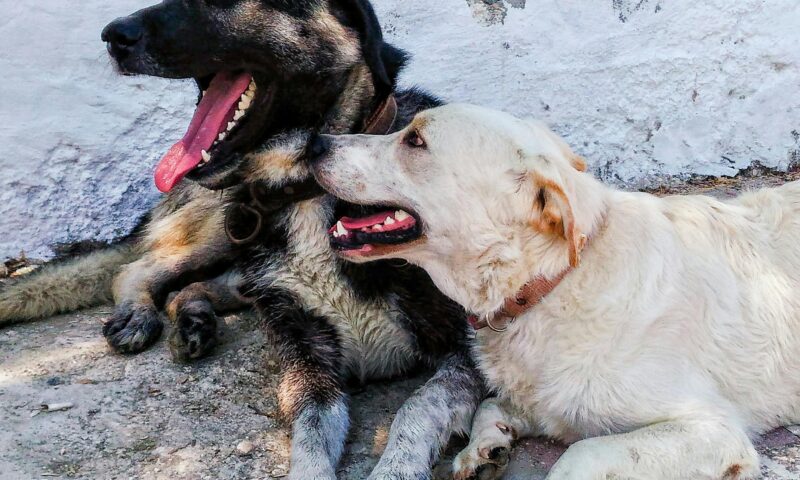
A lethargic dog that won’t eat almost always means the body is fighting something. The question is what — and how urgently it needs addressing. The combination of these two symptoms together is more significant than either one alone, and the details matter: is your dog still drinking water? Did it start suddenly or gradually? These distinctions guide what you do next.
Lethargic and Not Eating vs. Lethargic, Not Eating or Drinking
A dog that is lethargic and not eating but still drinking water is in a better situation than one refusing both food and water. Continued drinking means the kidneys are functioning and the dog isn’t severely dehydrated yet. It often points toward a condition causing nausea or pain — the dog feels too unwell to eat but the drive to drink remains.
A dog refusing both food and water is heading toward dehydration quickly. This combination moves the timeline from “monitor at home” to “call a vet today.”
9 Causes of Dog Lethargy and Loss of Appetite
1. Viral or Bacterial Infection
The most common cause of sudden lethargy and appetite loss in an otherwise healthy dog. Parvovirus, distemper, kennel cough, and leptospirosis all present this way. Unvaccinated dogs or dogs recently exposed to other animals are higher risk. Lethargy and loss of appetite following a trip to a dog park, boarding facility, or groomer should be taken seriously quickly.
2. Gastrointestinal Upset
Something the dog ate has irritated the gut. The body responds with nausea (kills appetite) and fatigue (diverts energy to gut repair). This is often paired with vomiting and diarrhea. Mild cases resolve in 24–48 hours with bland diet. The concern rises if the lethargy persists beyond that window.
3. Pain
Pain is exhausting. A dog that has injured a muscle, developed joint disease, or has internal pain will become lethargic as the body conserves energy. They stop eating because discomfort disrupts hunger signals. Recognising pain in dogs is a skill — they rarely cry. Look for muscle tension, reluctance to jump or climb stairs, sensitivity when touched in specific areas, and unexplained shaking.
4. Kidney or Liver Disease
Both organ failures cause toxin buildup in the bloodstream, which creates profound nausea, fatigue, and appetite loss. These conditions often develop slowly — the lethargy and reduced eating may have been building for weeks before becoming obvious. Increased thirst and urination (or the opposite — difficulty urinating) alongside lethargy is a key warning sign.
5. Hypothyroidism
Low thyroid hormone slows the metabolism significantly. Affected dogs gain weight, sleep more, are less interested in food and exercise, and often develop a dull coat. This is one of the more commonly missed diagnoses in middle-aged to older dogs. It’s confirmed with a simple blood test and is manageable with daily medication.
6. Anaemia
Low red blood cell count means less oxygen delivered to organs and muscles. The result is fatigue, weakness, and appetite loss. Check your dog’s gums — they should be pink and moist. Pale, white, or yellowish gums alongside lethargy and appetite loss is a veterinary emergency. Anaemia can be caused by internal bleeding, tick-borne disease, or immune-mediated conditions.
7. Heart Disease
An underperforming heart means less oxygen reaches the brain and muscles. Dogs with developing heart disease often show gradual lethargy before any other symptoms. Exercise intolerance — the dog is willing but tires unusually fast — often precedes full appetite loss. Coughing at night or after exercise is another early sign worth investigating alongside the lethargy.
8. Cancer
Lethargy and unexplained weight loss together — even without complete appetite loss — is a combination that warrants investigation, particularly in middle-aged and older dogs. Cancer creates systemic inflammation and metabolic demand that can cause fatigue and reduced appetite even before a tumour is detectable. Sleeping significantly more than usual alongside weight changes should prompt a vet check.
9. Medication Side Effects or Vaccination Reaction
Lethargy and reduced appetite in the 24–48 hours after a vaccination or new medication are common and usually self-resolving. If lethargy persists beyond 48 hours post-vaccination, or if other symptoms develop, call your vet. Some dogs have stronger immune responses to vaccines than others.
Emergency — Act immediately
- Pale, white, grey, or yellow gums
- Collapse or extreme weakness (unable to stand)
- Laboured breathing alongside lethargy
- Distended abdomen
- Refusing water for more than 12 hours
- Lethargy following a potential toxin ingestion
My Dog Is Lethargic, Not Eating, and Vomiting
This combination requires urgent attention. The sequence matters: vomiting before lethargy and appetite loss suggests a gut trigger. Lethargy and appetite loss that precede vomiting suggest something more systemic. Either way, if vomiting is happening more than twice and your dog is showing no signs of improvement after 12 hours, this is a same-day vet call. Check our full emergency symptoms guide for the exact thresholds that change the level of urgency.
Supporting a Recovering Dog
Once you have a diagnosis and your dog begins recovering, rebuilding the gut is often part of the process. A quality pet probiotic for 2–4 weeks after an illness helps restore the microbiome disrupted by medication, reduced eating, and gut stress. It’s a simple step that meaningfully speeds recovery.
Sources & References
- Horowitz, A. (2009). Inside of a Dog. Scribner.
- Bradshaw, J. (2013). Cat Sense. Basic Books.
- McConnell, P. (2002). The Other End of the Leash. Ballantine Books.
All factual claims on Pawsidor trace to peer-reviewed research, university studies, or books by credentialed animal scientists. Learn about our editorial standard →