The Short Answer
A wet nose helps your dog smell better — mucus traps scent particles and the moisture keeps the olfactory receptors functioning optimally. A dry nose is usually fine too, depending on context. The old belief that a dry nose always means a sick dog is a myth, though there are specific patterns to watch for.
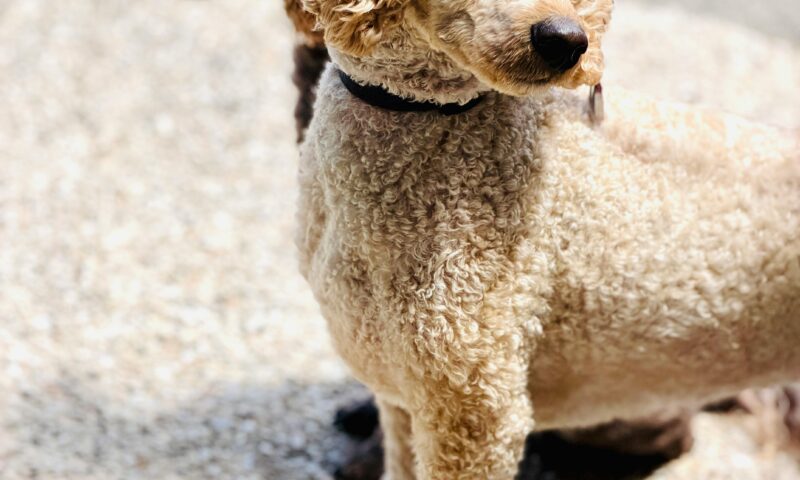
Your Dog’s Nose Is a Supercomputer. The Wet Part Is Not Accidental.
Alexandra Horowitz opens Inside of a Dog with a detailed breakdown of what it means to be a creature that experiences the world primarily through smell. Dogs have up to 300 million olfactory receptors in their noses — humans have around 6 million. The part of their brain dedicated to analysing smell is, proportionally, about 40 times larger than ours.
The wet nose is a feature, not a side effect.
Here’s what the moisture actually does:
1. Traps scent particles
The thin layer of mucus on a dog’s nose acts as a chemical net. Scent molecules from the environment stick to this wet surface and get drawn into the nasal passages. A dry nose is less sticky and less efficient at this — the dog is, in a literal sense, smelling less.
2. Dissolves scent chemicals
Many odour compounds are only detectable once dissolved in liquid. The moisture on the nose allows the dog to dissolve and analyse a far wider range of chemical signals than it could with a dry surface.
3. Cools the dog
Dogs don’t sweat through their skin the way humans do. They regulate temperature primarily through panting, but the nasal surface also contributes through evaporative cooling. The wet nose is part of that system.
4. Enables directional smelling
Research published in Learning & Behavior (2017) and described by Horowitz demonstrated that dogs can detect temperature gradients with their noses — specifically the slight warmth of infrared radiation. This helps them locate warm-bodied prey even in complete darkness. The moisture amplifies this sensitivity.
Where Does the Wetness Come From?
Three sources:
- Mucous glands inside the nose continuously produce a thin secretion that keeps the surface moist
- The lacrimal glands (tear ducts) drain into the nasal passages — yes, your dog’s nose is partly wet because of something like tears
- Licking — dogs lick their noses frequently, which both keeps them moist and helps transfer collected scent particles to the roof of the mouth, where the Jacobson’s organ (a secondary smell processor) can analyse them further
Is a Dry Nose Always a Problem?
No. This is one of the most persistent myths in dog care, and it needs dismantling.
A dog’s nose is normally dry in several situations:
- After sleeping — dogs don’t lick their noses in their sleep, so moisture evaporates. This is why your dog’s nose is often dry when it first wakes up. It returns to wet within minutes.
- After time in the sun or wind — environmental dehydration dries the nose quickly
- After heavy exercise — panting dries the nose temporarily
- In dry indoor environments — central heating and air conditioning reduce ambient humidity, which dries noses
A dry nose in these contexts is unremarkable.
When Is a Dry Nose Actually Concerning?
The nose tells you something’s wrong when the dryness is accompanied by other signs, or when the nose itself looks abnormal:
Signs that warrant a vet visit:
– Dry, cracked, or crusty nose — particularly if there’s visible scaling or skin breakdown (can indicate autoimmune conditions, zinc deficiency, or a dermatological condition called “nasal hyperkeratosis”)
– Discharge from the nose — clear can be normal; yellow, green, or bloody discharge is not
– Asymmetric swelling of the nose or muzzle
– Persistent dryness combined with lethargy, loss of appetite, vomiting, or other systemic signs
The dry + sick combination that gave rise to the “dry nose = sick dog” myth is real — but the dryness is a secondary symptom, not the primary signal. What you’re actually reading is dehydration or illness affecting the whole body. Check the dog’s overall behaviour and hydration, not just the nose.
How to Check If Your Dog Is Dehydrated
A dry nose alone won’t tell you. Better indicators of dehydration:
- Skin tent test: Gently pinch the skin at the back of the neck. In a well-hydrated dog, it snaps back immediately. In a dehydrated dog, it stays tented or returns slowly.
- Gum check: Press your finger briefly against the gum tissue. It should turn white then return to pink within 2 seconds (normal capillary refill time). Longer refill, or gums that are pale, white, blue, or tacky and dry, are concerning.
- General behaviour: Lethargy, sunken eyes, dry or sticky gums alongside a dry nose = see a vet.
Why Does My Dog Have a Runny Nose?
Clear discharge in small amounts is usually fine — it’s the same mucus system that keeps the nose wet, just more of it. Possible normal causes include excitement, physical exertion, and temperature changes.
When to take it seriously: coloured discharge (yellow, green, brown), discharge from one nostril only (asymmetric discharge can indicate a foreign body, infection, or growth), or discharge accompanied by sneezing, coughing, or difficulty breathing.
What Is Nasal Hyperkeratosis?
This is a condition where the nasal skin overproduces keratin, leading to a crusty, thickened, sometimes cracked appearance on the nose. It’s more common in older dogs and certain breeds (Labrador Retrievers, Cocker Spaniels, Golden Retrievers).
It’s not always a sign of serious illness — in many cases it’s a benign age-related change — but it can be uncomfortable and should be assessed by a vet. Medicated moisturisers (specifically formulated for dog noses) can manage the symptoms. Never use human products like Vaseline routinely without veterinary guidance.
Quick Answers to Everything Else
My dog’s nose changes colour — sometimes dark, sometimes lighter. Why?
This is called “snow nose” or “winter nose” — a temporary lightening of the pigment that occurs more commonly in winter and in certain breeds (Huskies, Golden Retrievers, Bernese Mountain Dogs). The enzyme tyrosinase, which produces melanin, is temperature-sensitive and less active in cold weather. It’s benign.
My dog licks its nose constantly. Is that okay?
Frequent licking is normal — it keeps the nose moist and transfers scent molecules to the Jacobson’s organ. Compulsive, non-stop licking that seems anxious or results in raw skin is a different matter.
Is it okay to pet my dog on the nose?
Yes, though many dogs are slightly sensitive about nose contact — approach from the side rather than directly overhead. Some dogs don’t mind at all; others have clearly strong preferences. Read their reaction.
Can I put anything on my dog’s dry nose?
Dog-specific nose balms (designed for cracked or hyperkeratotic noses) are available and safe when used as directed. Avoid human skincare products unless specifically cleared by your vet — some ingredients safe for humans are irritating to dogs.
The Bottom Line
That cold, wet nose pressed against your leg is a precision instrument — one of the most sophisticated smell-detection systems in the animal kingdom, kept primed by a continuous thin film of mucus and the occasional self-administered lick.
A dry nose after a nap is nothing. A dry, cracked nose on a lethargic dog is worth a vet call. Know the difference, and you’ll stop worrying about the right thing.
Related Posts
- Why Does My Dog Have a Runny Nose?
- Signs Your Dog Is Dehydrated
- How Dogs Experience the World Through Smell
- Why Does My Dog Sniff Everything on Walks?
Sources:
Horowitz, A. (2009). Inside of a Dog: What Dogs See, Smell, and Know. Scribner.
Bálint, A. et al. (2020). Dogs can sense weak thermal radiation. Scientific Reports.
Cornell University College of Veterinary Medicine — Nasal discharge in dogs.
AKC — Why is my dog’s nose wet?
Sources & References
- Horowitz, A. (2009). Inside of a Dog. Scribner.
- Bradshaw, J. (2013). Cat Sense. Basic Books.
- McConnell, P. (2002). The Other End of the Leash. Ballantine Books.
All factual claims on Pawsidor trace to peer-reviewed research, university studies, or books by credentialed animal scientists. Learn about our editorial standard →